
The Tragic Tale of Lego Piggy: Point of View
I use LEGO photos and a story about a Jewish mother followed on the street by a pig to explain the concept of point of view.

I use LEGO photos and a story about a Jewish mother followed on the street by a pig to explain the concept of point of view.
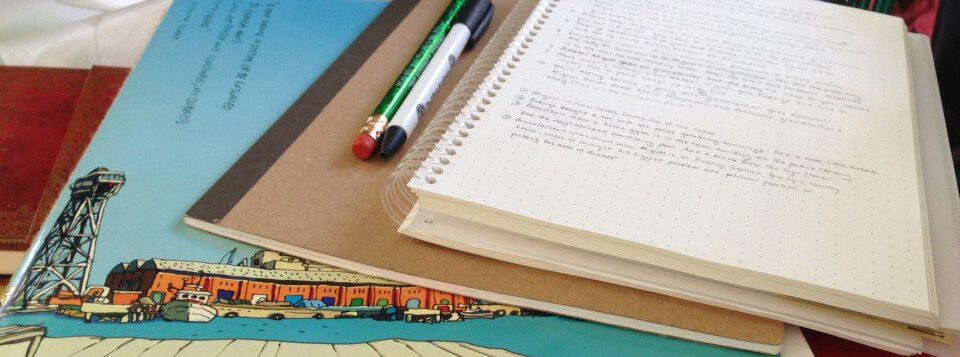
On a visit to a middle school in Philadelphia, I advise young writers to write very short stories that contain a beginning, a middle, and an end.

I juxtaposed three builds from the LEGO City Advent Calendar for each of the 8 nights of Hanukkah, which gave me an ideal prompt for my vignettes on Instagram.
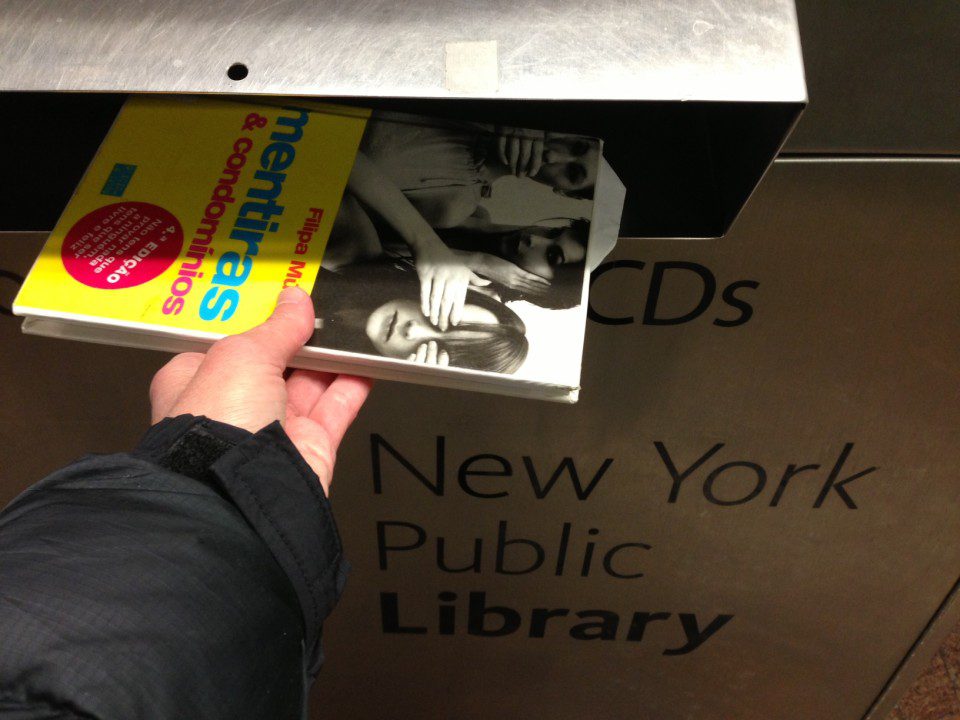
My final exam in Portuguese prompts reflection on the importance of reading in learning languages and developing as a writer.
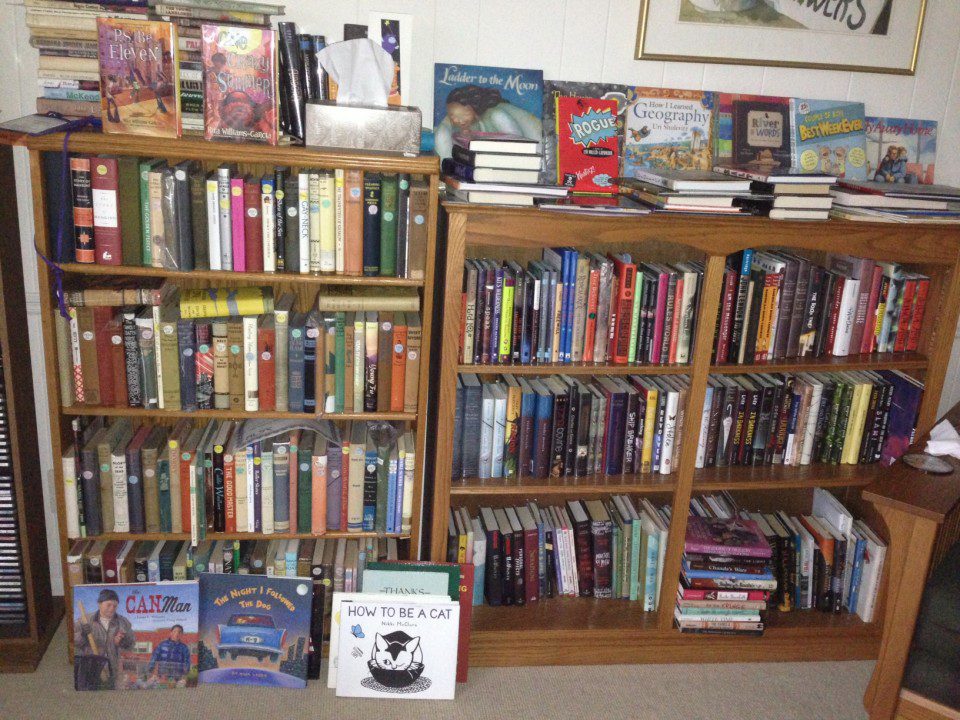
Children's book reviewer and teacher Ed Spicer conveys his enthusiasm for book culture and reflects on building the foundation of a reading life.
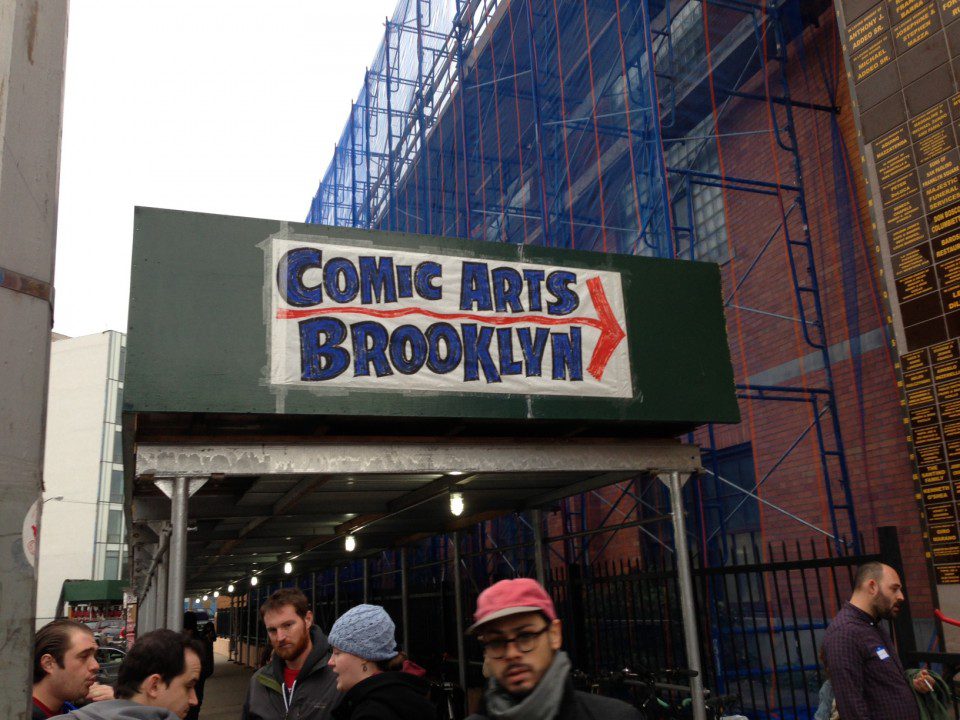
A report on Comic Arts Brooklyn, where publishers large and small showed off their comics and graphic novels and the CBLDF pushed its anti-censorship efforts.
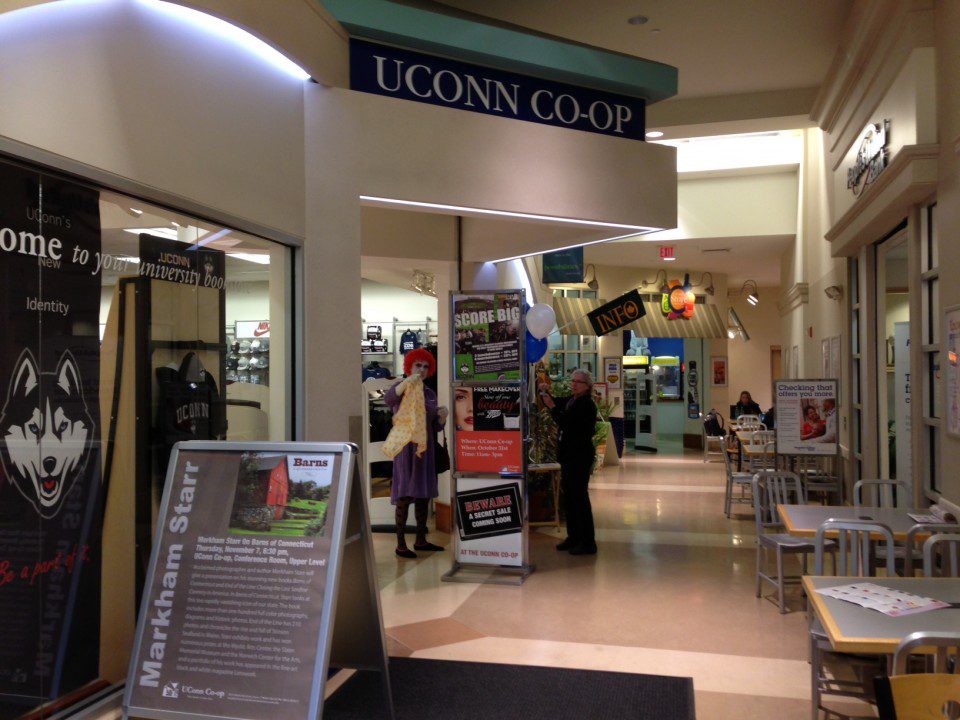
At the University of Connecticut I shared my experiences of growing up "different" and offered advice to both young writers and future teachers.
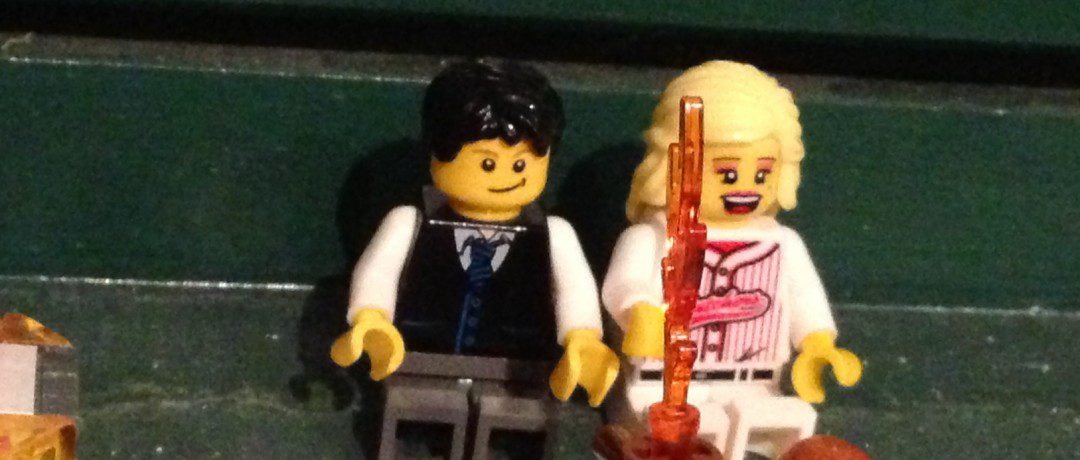
Rather than telling how a character feels, or what the reader should think, the writer creates an image and lets the reader draw conclusions.
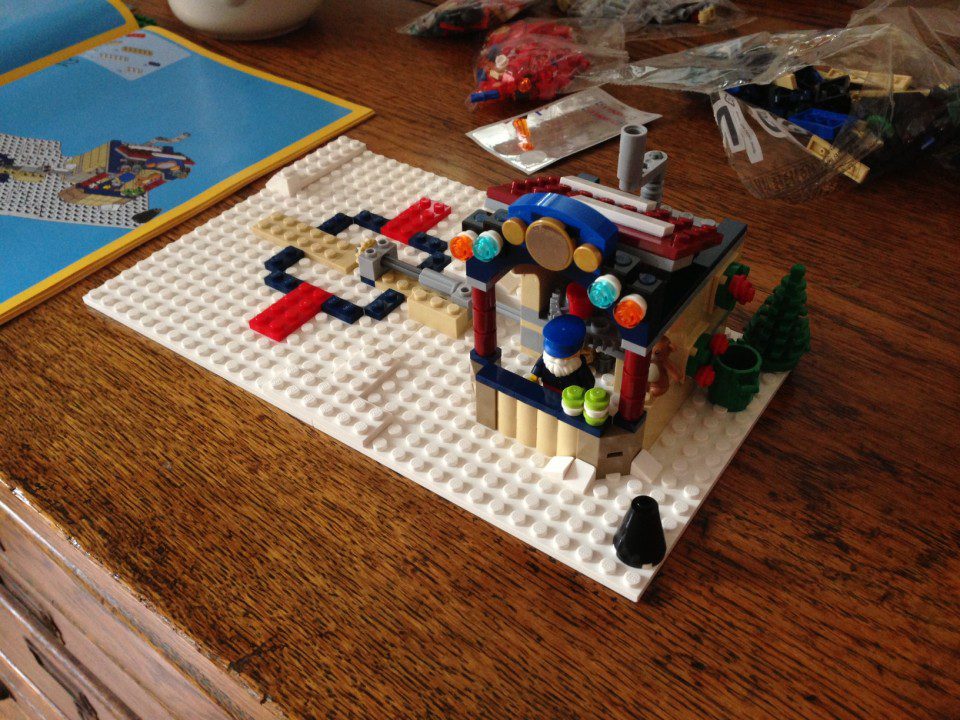
Details are important, and a story with a well-drawn and well-integrated setting cannot take place anywhere else.

In contrast to linear, chronological narrative, a layered narrative plays with time sequence to reveal character bit by bit and to build curiosity and suspense.