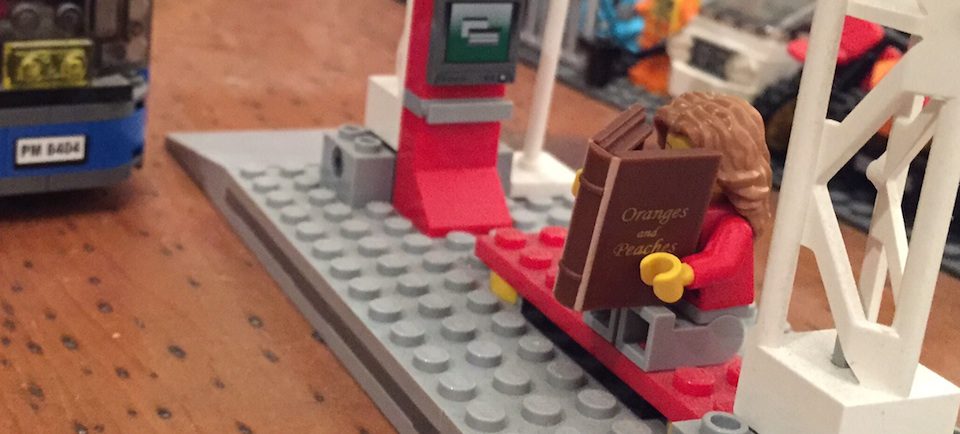
What New Adult Should Be: A Review of Radio Underground
Discussion of New Adult literature and a fresh new book from an upstart small press set in the aftermath of the Hungarian Revolution of 1956.
Discussion of New Adult literature and a fresh new book from an upstart small press set in the aftermath of the Hungarian Revolution of 1956.
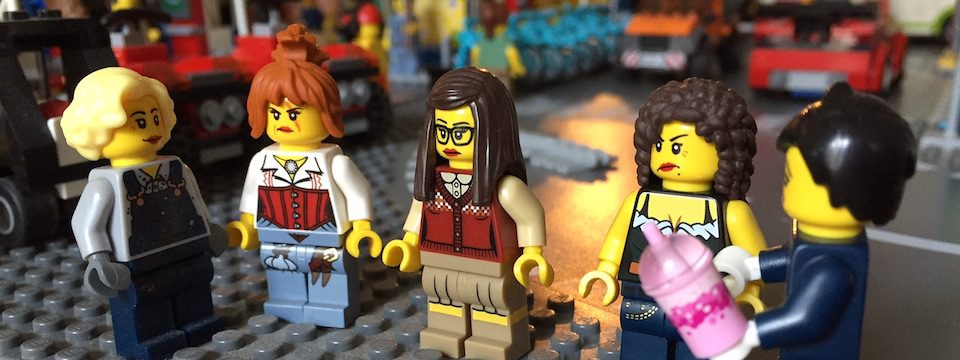
The scene in my novel where I burn it all down and show boys doing the right thing.
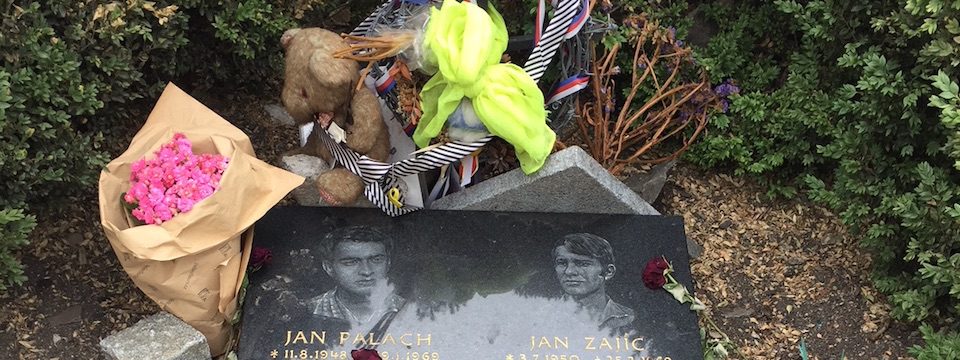
A trip to Prague, where my daughter learned of the country's 20th century history and its struggle for freedom.

A closing panel of the 2018 PEN World Voices Festival addresses the question: could (or has) an authoritarian regime come to power in the United States?
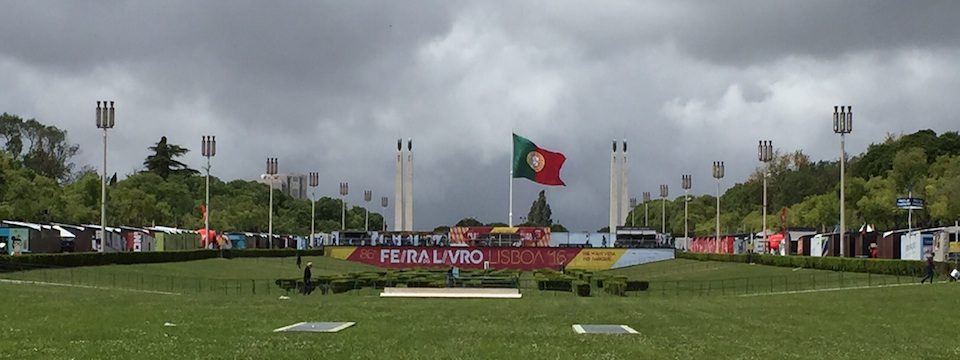
A discussion of why the recent image of a bundled mobile offering in Portugal is not a model for what will happen in the U.S. without #NetNeutrality.
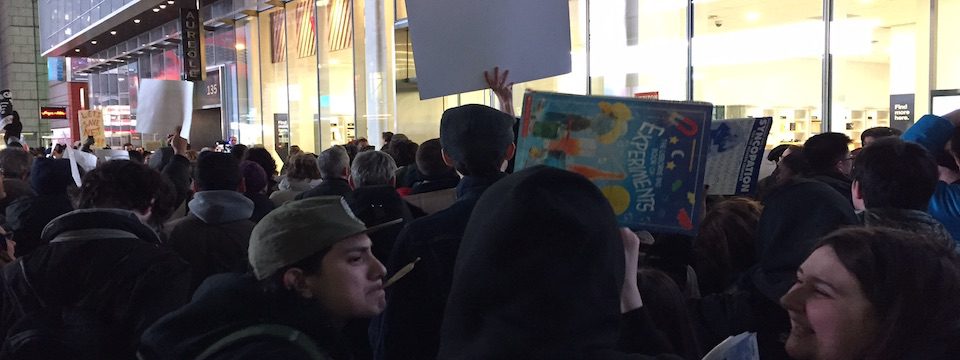
Thursday December 7 saw nationwide rallies to protest Federal Communications Commission director Ajit Pai's promise to end Net Neutrality at the FCC's monthly meeting on December 14. Most of the…
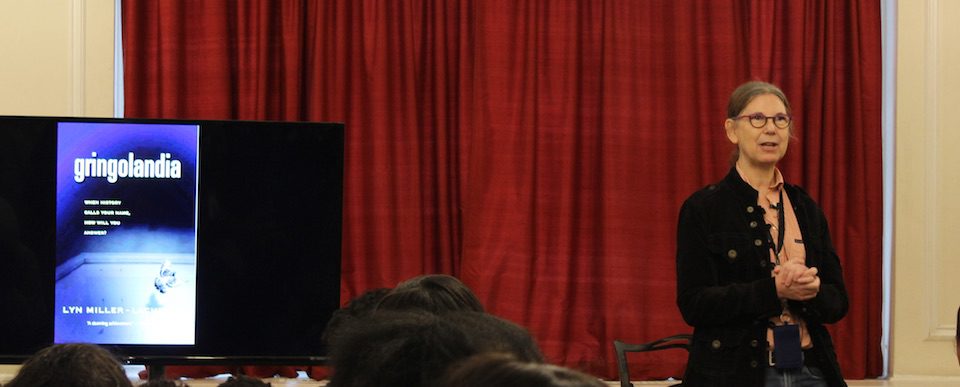
In the past two weeks, I've spoken at two events about my novel Gringolandia and my translation of the picture book Three Balls of Wool (Can Change the World) --…
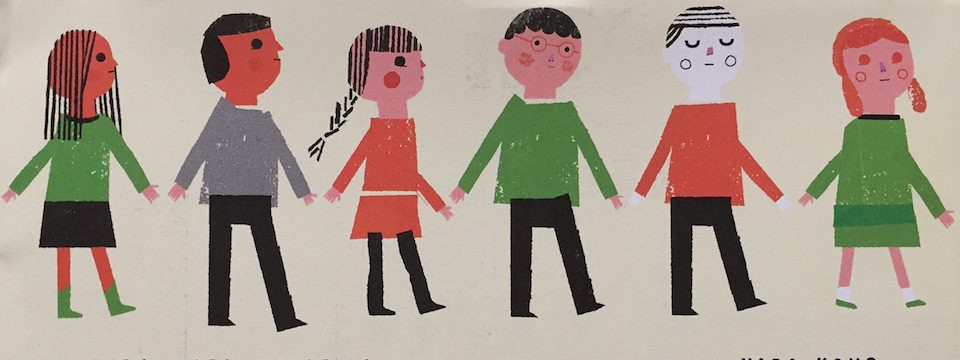
Release day for the Amnesty International co-sponsored Three Balls of Wool (Can Change the World), a picture book of a refugee family in their new home.
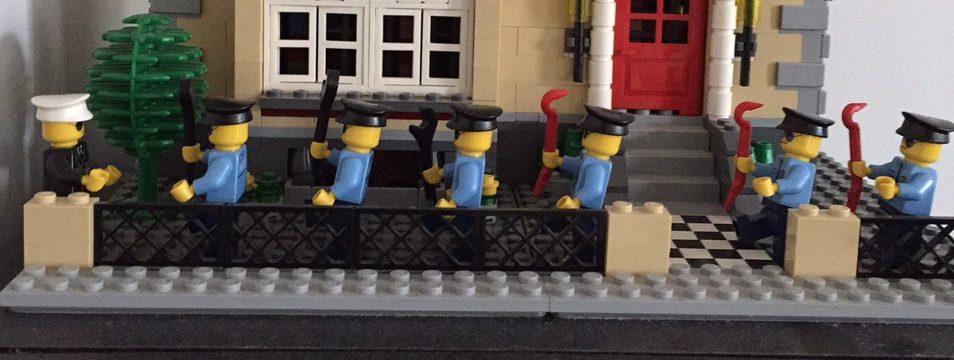
An overview of common stories that dictatorships and despotic regimes tell to justify their power and policies.
The dangers of politics as a spectator sport and taking pleasure in watching the disarray of the greedy and powerful.