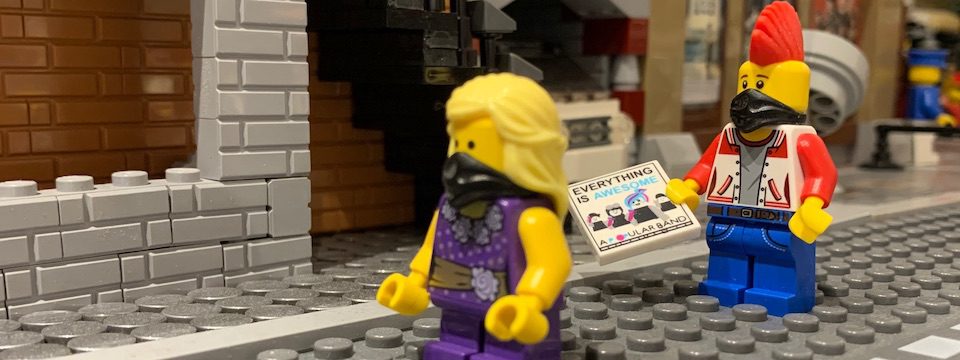
This weekend marks the sixth anniversary of the nationwide shutdown due to the spread of the deadly Covid-19 virus. Living in New York City, we were the first epicenter in the United States, and in the first months of the pandemic, around 30,000 New Yorkers died. For the average person, this was a terrifying time. We were at the mercy of a highly transmissible virus that initially killed around 3% of those who contracted it. Others ended up in overcrowded hospitals, sometimes sharing ventilators with other patients due to shortages. No one really knew how to treat the virus at first, and no one knew the best way to prevent it. We washed every package and grocery item coming into the home, only to find out the virus that caused Covid was airborne. Hence, face masks, six feet of separation, open windows, and shut-down businesses and schools.
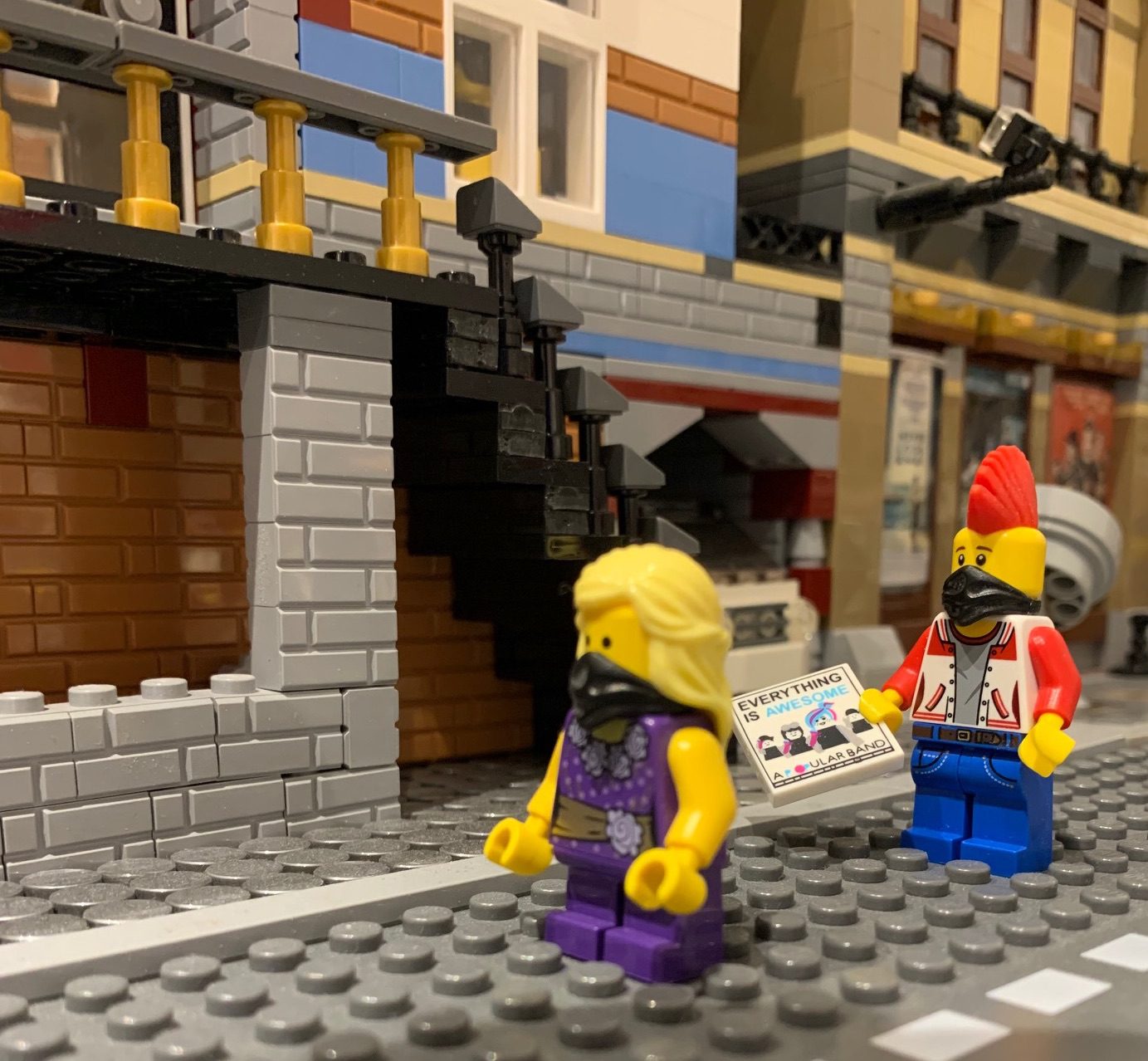
For local businesses, especially the restaurants in the city, the virus was financially devastating. Many of our favorite places closed, never to open again. My own neighborhood, once “a neighborhood of ice cream,” lost most of the little storefronts in 2020. Sporting events were cancelled. We could only restart them when people began taking precautions to reduce the transmission of the virus. Athletes lived inside bubbles. We learned that sports are the reward for civilization. (To the extent that countries notorious for doping or committing war crimes are banned from displaying their flags at tournaments or banned altogether, this is still true.)
Young people growing up at this time couldn’t attend school with their peers. The alternative was online school, and spending way too much time with video games and social media. Teachers say this has had a major impact on both academic attainment and social skills. The impact of this traumatic time continues to reverberate, even for youngsters who were not even born in spring 2020.
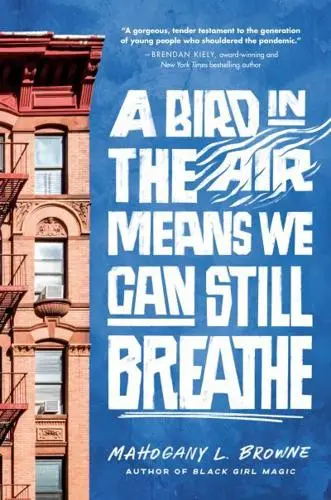 I’ve been thinking about this time because of two books for teen readers that I read recently, both set in 2020. Mahogany L. Browne’s A Bird in the Air Means We Can Still Breathe, published last year, is told in verse and prose from the perspective of several teenagers of diverse backgrounds in New York City, a kind of Greek chorus with four narrators who navigate isolation, grief, and the drive to protect loved ones. While the adults retreat from the world, hoard toilet paper, or follow the bizarre prescriptions of an uncaring and hypocritical demagogue, the teenagers reach out to rebuild their shattered communities. As chorus members Hyacinth and Electra say, “We know we need each other to make the future possible.” Interspersed with the present-day stories of Tariq, trying to keep his grandmother safe; his best friend Zamira, who loses both her parents to the virus; and Yusuf, imprisoned on Riker’s Island, is Malachi, who draws from the experience of living through the pandemic to write a post-apocalyptic story with more truth than the accounts of many adult chroniclers and commentators at the time.
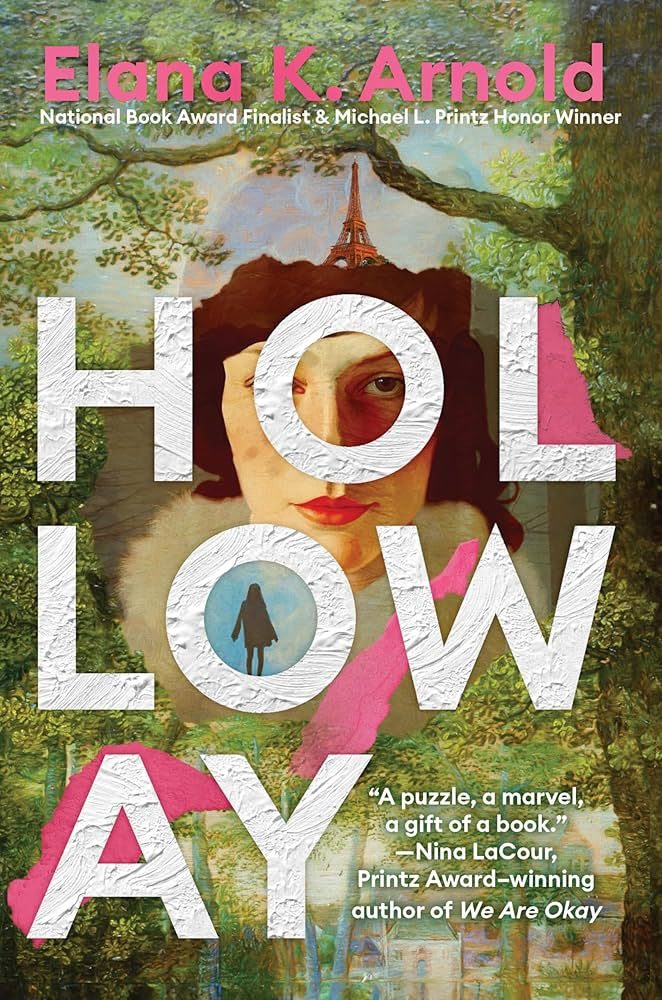 Like A Bird in the Air Means We Can Still Breathe, the forthcoming Holloway by Elana K. Arnold experiments with genre and form to tell a story of the pandemic. Seventeen-year-old Nora is in France with her mother’s ashes, hoping to spread them at the place of a painting her mother loved. Her mother has died of Covid after refusing to wear a mask or getting the newly-available vaccine because she was one of the people radicalized by the uncaring and hypocritical demagogue. Unable to find the spot and searching for an alternative, Nora crosses a portal into 1946 France, another traumatized country emerging from war and Nazi occupation. As she travels through time, Nora, who is autistic, faces the ways her mother failed her, the ways her mother tried to help her, and how she can learn from her mother’s choices to take control of her own life.
It often takes years for literature to catch up with times of conflict, upheaval, and terror. These two novels demonstrate the varied perspectives that can emerge with some distance from the events. I’ve struggled with how to portray our current situation, and specifically the descent into authoritarianism of a country that was once the beacon of democracy (however imperfect) and the destination for those fleeing oppression in their home countries (despite the fact that in some cases the oppression they were fleeing was the direct result of our own foreign policy). For me, A Bird in the Air Means We Can Still Breathe and Holloway offer both models for dealing with cataclysmic events and hope that one day I will be able to look back on this period and write a novel that is equally compelling.

Yes, what an anniversary! Thank you for the book shout-outs, Lyn!