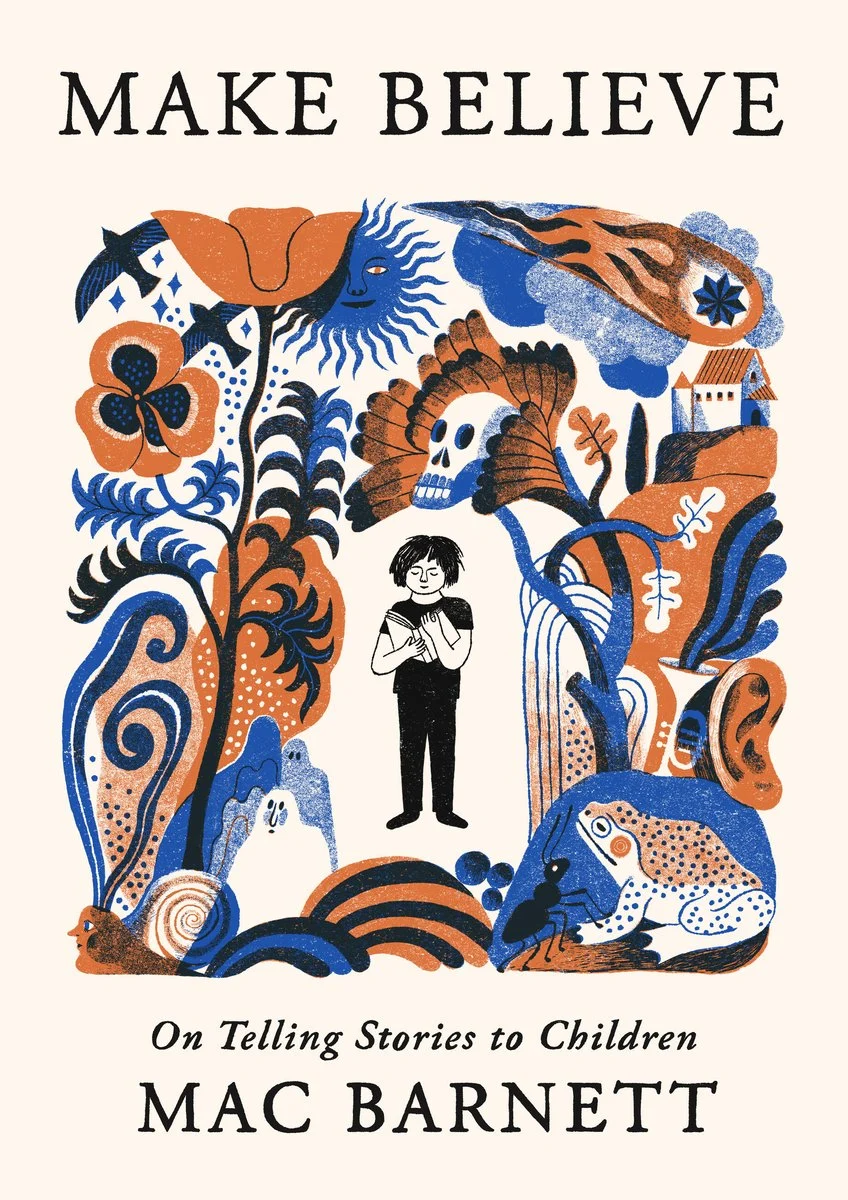
No, this is not a post about the U.S. president and his minions favoring Russia and betraying Ukraine, but about a recent controversy involving the National Ambassador for Young People’s Literature and what a New York Times headline called a “throwaway line” in his new book for adults, Make Believe: On Telling Stories to Children. In a chapter in which he discusses Sturgeon’s Law criticizing 90 percent of science fiction as “crud” he writes, “I have a nagging fear that children’s literature suffers from a slightly higher crud percentage than literature as a whole. So I now offer Barnett’s Addendum to Sturgeon’s Law: Maybe more like 94.7 percent of kids’ books are crud.” While claiming that the line is hyperbole used for humorous effect, he argues elsewhere in the chapter that most children’s books aren’t very good, and he calls out books that are preachy and overly sentimental, though he doesn’t name specific titles.
 Many children’s authors responded with anger and a sense of betrayal. Saying that 19 out of 20 of the books they produce lack merit, even if it was meant to be hyperbole, is a powerful condemnation of their work by someone in a position of influence and power. Hundreds of authors signed a letter to the sponsors of the ambassador program, the Library of Congress and Every Child a Reader, asking them to address the harm caused by Barnett’s statements. I was one of those who signed it.
Based on the comments to the New York Times article and elsewhere on social media, signing the letter carried the risk of people saying, “Why so defensive? Maybe your work really is crud and shouldn’t have been published in the first place.” I applaud the brave creators of books for children and teens, beginning with Tracey Baptiste, who stood up for all of us. I’ll leave reviewers, awards committees, and readers to judge the quality of my own books, but these are the three reasons why I signed the letter.
First, Barnett’s careless words, for which he has since acknowledged and partially apologized, shows contempt for all his colleagues who work hard to write, illustrate, and publish good books for children and teens. Anyone in the publishing industry will tell you it is a subjective business. Just because a book isn’t to someone’s taste, or doesn’t connect with his experience, doesn’t mean it’s “crud.” This is especially true for books created by authors and illustrators of color or others whose work comes out of minoritized experiences. (That’s why, for instance, I’ve been involved with the We Are KidLit Collective to shine light on these books that would otherwise be dismissed or ignored altogether.) As a teacher in the Boyds Mills (formerly Highlights) Whole Novel Writing Workshop, I work with dedicated writers who invest a great deal of time and money in developing their craft. They want to write stories that will appeal to children and teens, and leave them happier and wiser for having read those books. Saying that an astounding percentage of published books will fail the quality test — not to mention the many more that never find a publisher at all — basically tells our students to give up now before wasting their time. Yes, writers don’t need the approval of people in power to create, but it’s supremely deflating to hear these words from someone appointed to build up children’s books, not tear them down. Even successful authors suffer from impostor syndrome, and it cuts deeply when Barnett tells us we really are (probably) impostors.
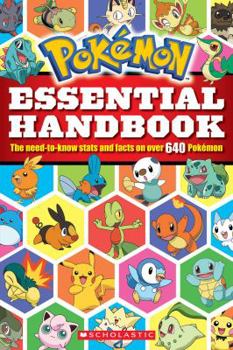
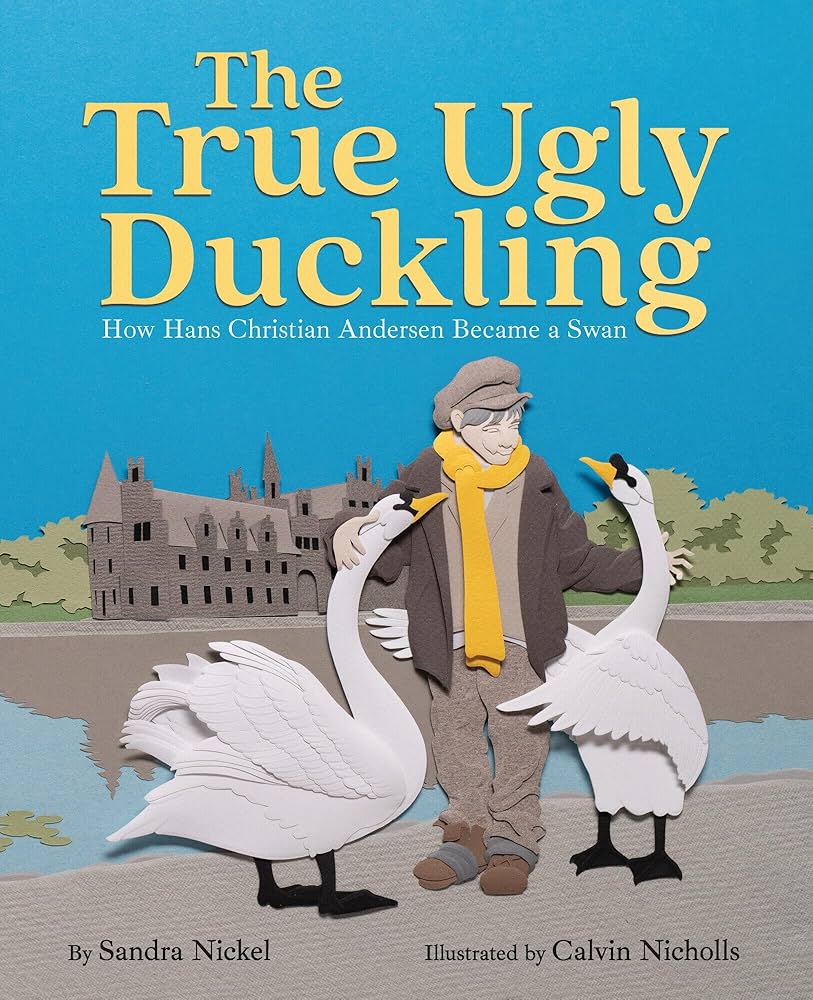 Second, these statements shame not only the creators of books but also their readers. Nobody wants to be told that the books they’re reading are junk, or shamed for enjoying books they know are not great literature. Twelve years ago, I wrote a blog post defending adults who read young adult fiction. The ambassador’s job is to promote reading, not judge it. Commercial books based on popular media franchises are not a new thing, nor are novelizations of popular movies. I’ve always been a fan of movies, and when I was learning to read many decades ago, my go-to books were novelized versions of my favorite movies. I learned a lot from the way these highly commercial books used words to evoke the setting and drama of movies, and remembering what I saw helped me understand what I was reading. I then moved on to more difficult books that didn’t have movie counterparts. Today a child may learn to read, and enjoy reading, from books based on TV shows or comics (which have always existed as well, and which I also read voraciously) and graphic novels. My own grand twins, now five years old, are good examples. I let them pick out their bedtime stories, and one recently chose, and loved, the recently published picture book biography of Hans Christian Andersen, The True Ugly Duckling by Sandra Nickel and Calvin Nicholls, a beautiful literary work that deserves the ambassador’s stamp of approval. The other one chose Pokémon Essential Handbook, which he has already begun to read independently. If we continue to shame kids for reading these commercial books, and caregivers for making them available, the result will be more kids reading no books at all. To his credit, Barnett acknowledges the value of reading any book in Make Believe, but his snarky condemnations of “crud” undercut his point.
 And that leads to my final point, one that the book creators’ letter emphasizes. The assertion, however hyperbolic or unfounded, that the vast majority of children’s and YA books are without merit gives ammunition to book banners. At a time when a national book ban has a serious chance of passing in Congress and becoming law, and children and teens in many states have limited access to age-appropriate books because of challenges, we don’t need someone in a position of power — an ambassador of children’s literature — claiming that 19 out of 20 books could not pass the Miller Test standard of serious artistic or literary value. According to the New York Times article Barnett himself has not spoken out against book banning in his service as the ambassador, claiming the position prevents him from making political statements. Combined with the assertions in his book, the silence is itself telling.
Prominent children’s book critic and advocate Betsy Bird does not support Barnett’s resignation as the ambassador, arguing that Trump and his allies would likely appoint a successor or do away with the position altogether. That is likely to happen soon enough anyway; Barnett’s term comes to an end in February 2027. He was appointed in 2024, when Biden was still president and Carla Hayden, the Librarian of Congress, had not yet been fired (by Trump) for political reasons. He was chosen for the position because of his own award-winning picture books and because he promised to be a strong advocate for the picture book as a literary and artistic form. However, both now and once his term ends, creators of children’s and YA books will have to be our own ambassadors — ones who build up the creative community rather than tear it down, ones who champion the value of children and teens having the ability to choose the books they want to read, and ones who celebrate the wide diversity of books that already exist and must continue to exist in the future. The author Kate Messner has created a hashtag #BeAnAmbassador for us to let people know what books have had value for us and for the young people in our lives.