
I’m teaching in the Boyds Mills (formerly known as Highlights) Whole Novel Workshop again this year, and one of the writers in the workshop asked me what makes a novel with teenage protagonists a young adult novel as opposed to a novel for general adult readers. An excellent question, especially since there are a lot of novels for adults that feature teenage main characters, and even some with adult point-of-view characters that are nonetheless classified as young adult.
Ultimately, I think the question comes down to point of view (POV). (For more about POV in general, check out the tragic tale of Lego Piggy.) The general rule of thumb is that a young adult novel features a teenage protagonist and the story is from that protagonist’s point of view, narrated at the time of the story events rather than when the protagonist is an adult looking back on those teenage years. The most common narrative POV is first person present tense, which conveys the sense of the main character living in the moment, telling the reader what is happening as it is happening. More than half of the published upper middle grade and YA novels that I read are written in that first-person present tense, as are my prose novels Gringolandia, Surviving Santiago, and Rogue and my two verse novels Moonwalking and Eyes Open. My other YA novel, Torch, is written in a close third person, with the narrator very much in the head of the protagonists, but in past tense. Close third person, past tense is probably the second most common narrative POV of upper middle grade and YA fiction and is used more often when the novel contains multiple points of view because it eliminates the need for creating distinct voices for the various main characters. The reason third person narrative is usually in the past tense in these novels is that third person present tense — the narrator in the moment, in the head of the main character — draws a lot of attention to itself, and when I’m writing as a close third person narrator, I want to get out of the way of my character. I don’t want to call attention to the narrator but to the characters and what they’re thinking and doing. I tried writing a novel in third person present tense. It’s a very literary style that made the book sound pretentious.
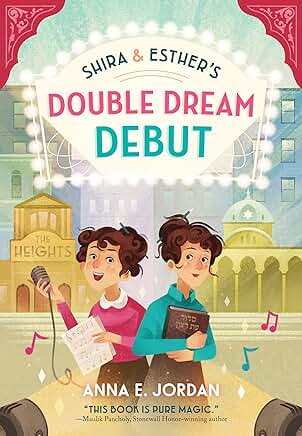 In contrast to upper middle grade or YA novels, in which protagonists range in age from 12 to 18, standard middle grade novels, with protagonists ages 12 and younger and a readership between ages 8 and 12, are more often narrated in first or third person past tense. I think the reason first person novels with younger protagonists are narrated in past tense rather than present is the difficulty of credibly narrating in the moment with a younger child’s more limited vocabulary and experience. That said, the first person voice of most middle grade novels seems only a few years older than the protagonist at the time of the story, as if the narrator were a young teenager telling what happened in the recent past, as opposed to an adult looking back on a more distant childhood, which would be more typical of an adult novel. Middle grade novels are also more likely to have omniscient third person narrators who explore the thoughts of multiple characters and can even take on a life of their own. My friend Anna Jordan’s debut middle grade novel Shira and Esther’s Double Dream Debut features an omniscient narrator who reveals himself to be the (adult) proprietor of a deli and whose voice captures the ambience of a Jewish town in the Catskills in the early 1950s. Also more common in these books for younger readers are nontraditional narrators such as animals or objects such as houses and school classrooms.
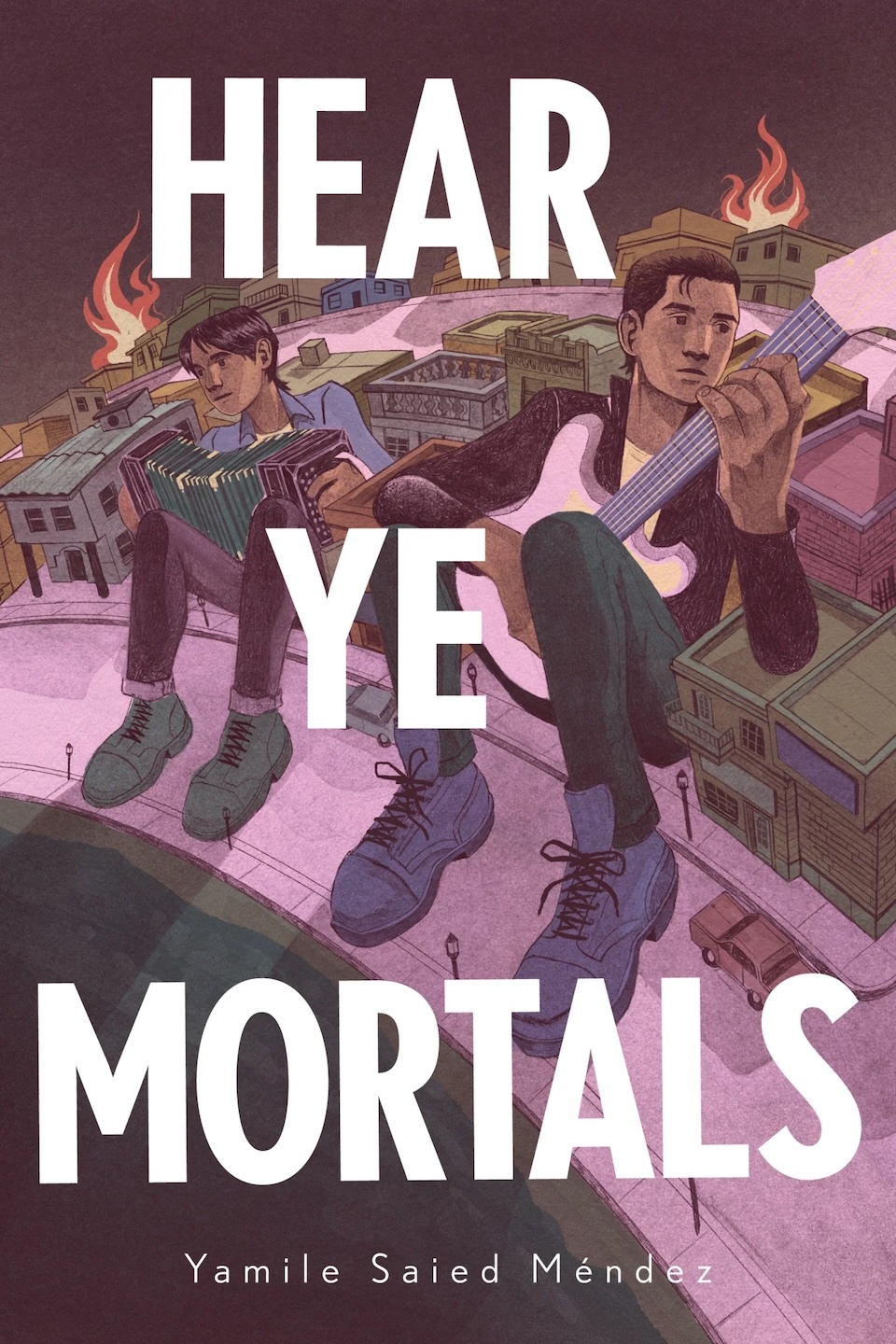 When books for teens contain nontraditional, often omniscient, narrators, they tend to be of the darker variety. Examples include death, the narrator of Markus Zusak’s classic YA novel set during the Holocaust, The Book Thief, and the just published Hear Ye Mortals by Yamile Saied Méndez, a historical novel that mostly takes place in Argentina in 1976 and is narrated by an angel who brings the souls of other teenage girls killed by violent men to their final resting place.
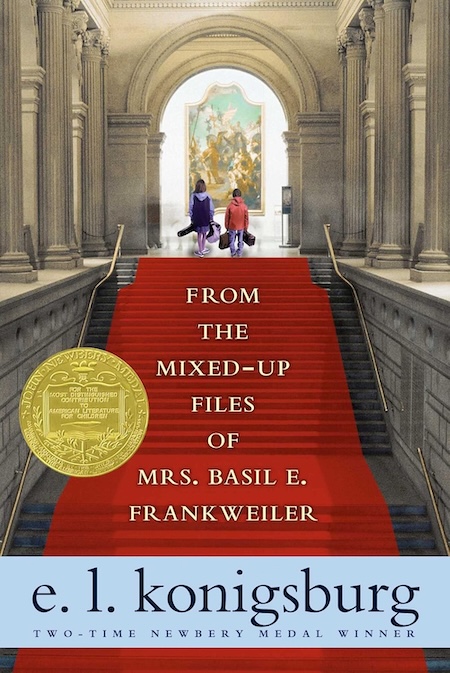
Regardless of whether the book is narrated in first or third person, present or past tense, the voice of the young narrator also distinguishes the novel for children and teens from the one for adults. The young protagonist’s understanding of the world and the language used to express that understanding needs to appear, believably, on the page. Young readers can tell the difference between a child or teenager’s authentic voice and an adult pretending to be a child or teenager and not quite getting it right. A writer who has a strong adult-like narrative voice, especially one that’s a little old-fashioned and quirky, may want to try leaning into that by using an omniscient third person narrator as in Shira and Esther, Kate Albus’s A Place to Hang the Moon, or the 1967 classic From the Mixed-up Files of Mrs. Basil E. Frankweiler by E.L. Konigsburg. However, those who want to write for young readers need to get in touch with their own younger selves and listen to the language of the young people in their lives today.
 Novels for young readers tell stories about firsts: first days of school, first friends, first times doing things, first loves. Through the words of a young protagonist telling the story in first person or through an invisible narrator letting actions, thoughts, and dialogue speak for themselves in third person, a middle grade or YA novel portrays — in that moment — what it’s like for a young person to discover their world, act upon it, and experience the results for the first time.

Pingback: Compressed Timeframes in Books for Young Readers | Lyn Miller-Lachmann