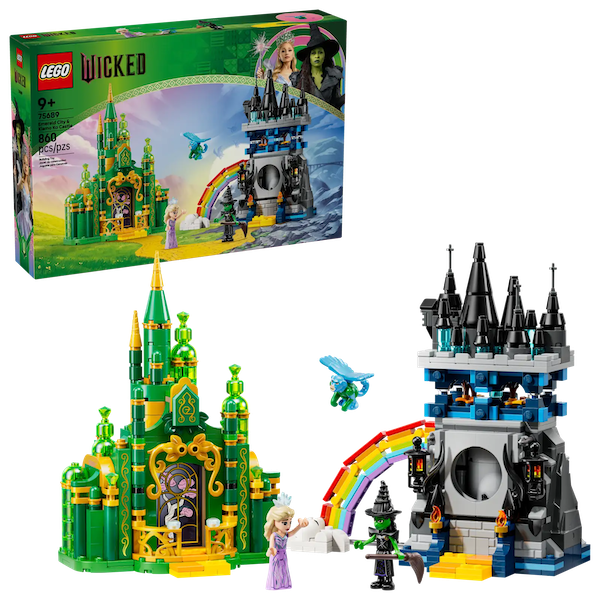
Today is the first day of Banned Books Week in the U.S. It’s a time when we celebrate the freedom to read and highlight the contributions of books that have been challenged and pulled from school and public library shelves. According to a PEN America report released this month, there have been close to 23,000 instances of book banning (challenges of individual books or a group of books) since 2021. Among the 10 most banned books in 2024 are classic books published for adults but commonly read by teens such as A Clockwork Orange, young adult titles that feature LGBTQ+ protagonists such as Malinda Lo’s award-winning Last Night at the Telegraph Club, Sarah J. Maas’s bestselling romantasies, and even Wicked, the Wizard of Oz prequel that has inspired a hit Broadway musical and even LEGO sets.
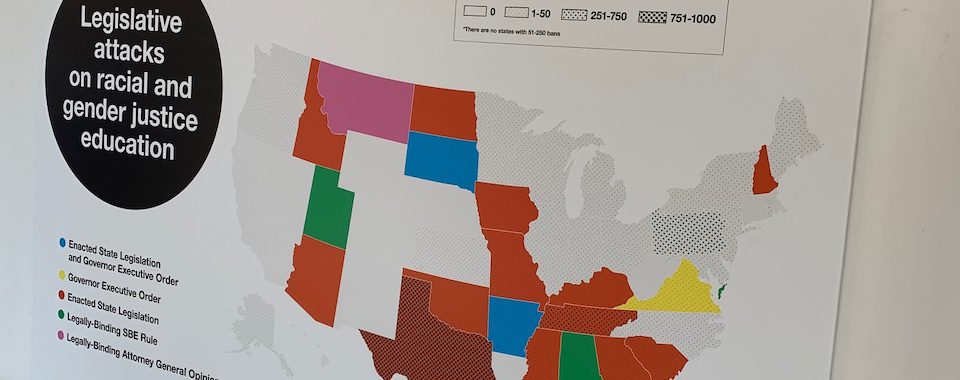
Yesterday I staffed a table at a neighborhood community garden festival. We handed out information about Authors Against Book Bans and a flyer urging attendees to contact their New York State representatives to support bills protecting the freedom to read. There seem to be two trends going on at the same time. One of them is states such as Florida, Texas, Missouri, Iowa, and Idaho, which are seeking to ban books, restrict access to libraries, and criminalize the work of librarians and teachers who make books available that have LGBTQ+ content or present “divisive issues.” Then there are other states, such as Rhode Island, Massachusetts, Connecticut, and California, where legislators have passed or are debating laws that prevent small groups of people from banning books or making them unavailable to everyone else.
I feel like these parallel efforts are moving people toward a national divorce, where at least half the people of the country are restricted in what they can read and write and the other half have full access. I’ve wondered if a national divorce may be preferable to an occupation regime where the most ruthless and powerful rule over a terrorized populace that they have designated as their enemies. But I still hold out hope that we can find common ground, with books serving as a way to learn about each other’s experiences.
In a way, I find it surprising that books have become the flashpoint for censorship when there’s so much more questionable content on social media and the internet. As any aspiring author will tell you, the process of publishing a book is difficult, and books published by both corporate publishers and small presses go through a vetting process, as well as numerous rounds of editing. Those book are then reviewed by librarians, teachers, and subject area experts. Children’s librarians generally cannot acquire a book unless it has at least two positive reviews from the major trade journals (Kirkus, Publishers Weekly, Booklist, School Library Journal, Horn Book, Bulletin of the Center for Children’s Books), and nowadays with tight budgets, many libraries require starred reviews unless there is a special need for that book — for instance, high demand for sports books among library users. The internet, on the other hand, is not vetted at all.
In addition, reading a book takes work. Declining literacy rates have made the work even harder for more people. Unvetted media, say, on TikTok, is more accessible. For people concerned about the ideas their children are consuming, the target seems a bit misplaced these days. Unless, of course, the goal is to make everyone illiterate because illiterate people are easier to control.
Along with PEN America, an organization worthy of our support is EveryLibrary. EveryLibrary advocates for the right to read and for funding public libraries so books are available to everyone regardless of ability to pay. Its Banned Books Week initiative asserts these three principles:
-
Libraries belong to everyone, not just the loudest few.
-
Parents have the right to guide their own children, but not other people’s kids.
-
Readers deserve access to a wide range of books that reflect all of our lives and experiences.
For last year’s Banned Books Week, I wrote about personal experiences with books that presented characters whose lives were different from my own. If we don’t want a national divorce or civil war, one way we can prevent it is by reading about other people who we may have seen as “the Other” or our enemies and looking for what we have in common, seeing them as people just like us.

Pingback: Banned Books Week 2026: AI Joins the Chat | Lyn Miller-Lachmann