 During the month of October, the New York City-based organization Razom for Ukraine has presented the Against the Grain: Ukrainian Cultural Festival to highlight the creativity of Ukrainian artists, musicians, and writers. One of the events took place in the community garden where my daughter and future son-in-law are members, so I decided to check it out. There, author and scholar Darya Tsymbalyuk, a professor at the University of Chicago, offered a participatory workshop featuring the flora and fauna of the Ukrainian steppe, particularly the chalk formations of the Donbass region that is currently the front line of the Russian invasion.
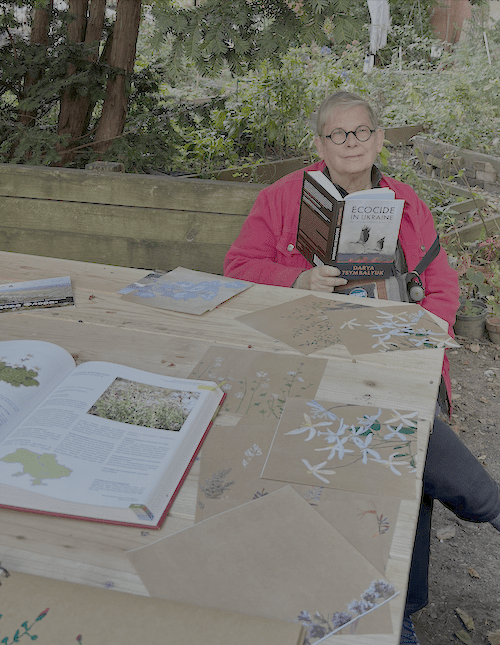
Darya brought acrylic paintings and a photo archive belonging to Serhii Lymanskyi, the caretaker of the Kreidova Flora nature reserve who barely escaped Putin’s invasion. The war against Ukraine is a genocide, but it is also an ecocide, as landmines, bombs, trenches and craters, and chemical weapons have ruined a fragile ecosystem. Along with kidnapping and murdering Ukrainian children, the Russians have stolen and killed endangered animals.
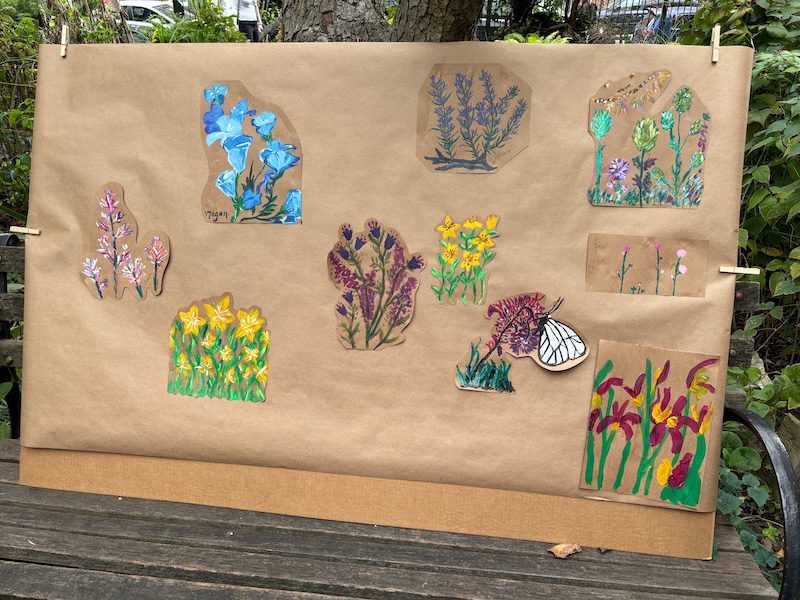
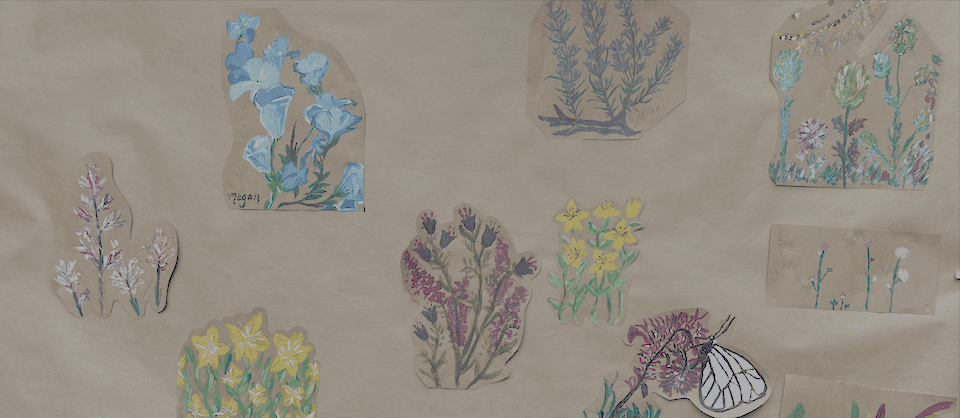
Darya invited the attendees to paint their own versions of the diverse flora of the nature reserve. Regardless of our artistic ability, the exercise opened our eyes to the structure and hues of the plants as well as their life cycle. Being a beginning artist (to put it charitably), I chose to paint a plant just starting to break the surface after a long winter, a few bare stems with hard buds hoping to bloom. Other people had more elaborate and colorful paintings, and all of them ended up on a mural. We all have different skill levels, but the result was beautiful anyway.
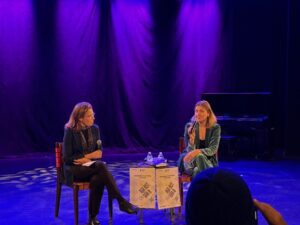
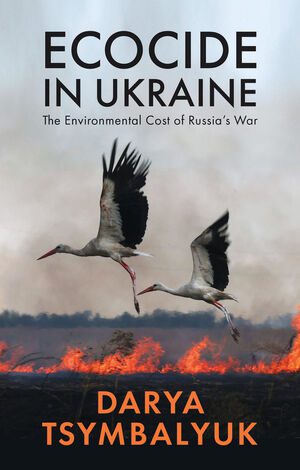
I enjoyed this event so much that I decided to attend her own book presentation the next day at the Teatro Latea on the Lower East Side. Darya is the author of the recently-published Ecocide in Ukraine: The Environmental Cost of War (Polity, 2025), which combines storytelling with exposition to narrate the fate of Ukraine’s ecosystems under Russian attack, with a chapter dedicated to the Russians’ destruction of the Kakhovka Dam in 2023. Unfortunately, the books I was hoping they’d sell at the event didn’t arrive – a book event problem that every author will find familiar.
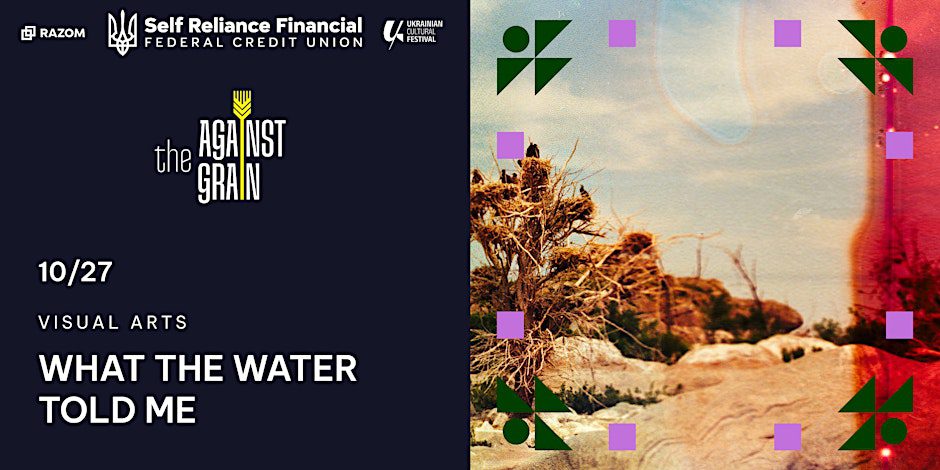
 Joining Darya was Adriana Petryna, who documented the health and environmental effects of the 1986 Chernobyl nuclear disaster via interviews with those who were involved in the cleanup and those who were displaced. Darya talked about growing up in the south of Ukraine, which is the focus of her book and a different ecosystem from that of the Donbass region. I appreciated hearing of the variety within the country, both of ecosystems and of the efforts to preserve them under wartime conditions. Her presentation also served as a kind of introduction to a photo exhibition opening at Teatro Latea this week titled “What the Water Told Me,” featuring Oleksandra Zborovska’s haunting photos from the landscape uncovered after the collapse of the Kakhovka Dam. At the time of Darya’s presentation, the exhibition was in the set-up process, so I was able to see a couple of the photos.
Darya said that she wrote her book over a period of nine months and was inspired to use storytelling and illustrations after reading Robin Wall Kimmerer’s bestseller Braiding Sweetgrass (which also has an acclaimed and popular young reader’s edition from the press that published my own books Torch and Eyes Open). I hope her book gets wider attention because, in a world torn by war and the bellicose ambitions of strongmen, our environment also pays the price.