
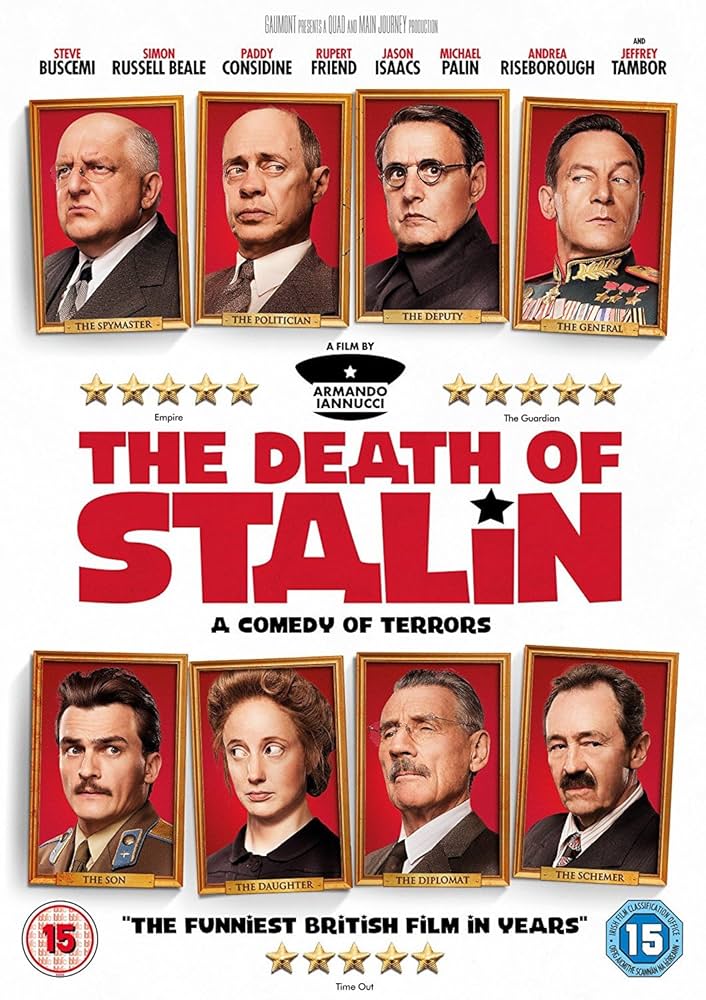
When he was out of the limelight for several days last weekend, rumors abounded of leader Trump’s death.They turned out not to be true, but those rumors reminded me of Kremlinology, both during the Cold War and today. For those unfamiliar with the decades of life on both sides of the Iron Curtain, Kremlinology consisted of guessing what was happening in Moscow in the absence of reliable information. Did the disappearance of the Communist Party’s First Secretary mean that supreme ruler had died, or else been sidelined due to backroom intrigue? In the case of Josef Stalin, his death in 1953 remained a secret for hours while his Party underlings figured out what to do, an event satirized in the 2017 comedy The Death of Stalin. The person who then took the reins after a power struggle, Nikita Khrushchev, was removed in 1964 through the machinations of his successor, Leonid Brezhnev.
 In the four years Joe Biden served as president of the United States, there were never any rumors of his death, despite failing health that to some extent remained unknown to the public until his disastrous debate performance in June 2024. Nor have there been rumors of any other president’s death in my memory. Even after the 1981 assassination attempt against Ronald Reagan, the press coverage was timely and accurate, providing up-to-date news while preventing panic (with the exception of one Cabinet official who lost track of the line of succession mandated in the Constitution).
The rumormongering regarding Trump’s disappearance from public view has been attributed to the lack of transparency about his health that has dogged him ever since his first term, along with the general level of lying coming from him, his underlings, and their sympathetic media. I would agree that rumors tend to fly in these situations, but it goes beyond that. The example of Kremlinology, the rumors that have circulated around Russian dictator Putin’s health, as well as the history of rumors surrounding the health of notorious dictators from Hitler to Kim Jong Un, point to other factors. In general, rumors about dictators’ deaths are more likely to spread than rumors about the demise of leaders in a democracy.
In the first place, dictators tightly control information, leading people to try to read “between the lines.” What information is released comes out if and when it serves the regime. Everyone wants to get the information sooner if they feel it will give them an advantage over others; this is especially true of business leaders who don’t have an inside connection but who still need to make decisions at a time in which they can’t count on the rule of law or established procedures for succession to apply.
Second, dictators’ lives are closely watched because they have so much power over the lives of ordinary people. Democratically elected presidents or prime ministers, those who don’t then move to become dictators, are bound by a body of laws and established procedures. They work with legislative bodies to enact and carry out policies in the interests of their countries’ inhabitants. They don’t issue decrees that destroy the lives of their people or initiate wars or so-called “special military operations” against their neighbors. Dictators have supreme power, and those who cross them or simply happen to belong to a disfavored group can lose everything — their home, their property, their freedom, even their lives. Under those circumstances, the death of a dictator may also have life-changing consequences, whether it be a decree lifted or an even harsher one issued by the next dictator.
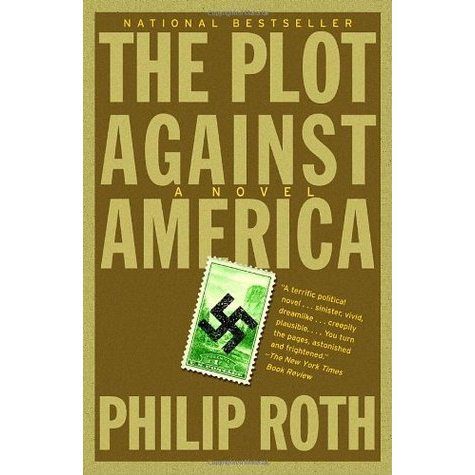 The result, the third factor, is a whole lot of wishful thinking. One example of this is the idea that Russia’s invasion and partial occupation of Ukraine will end after the death of Putin. (It very well may, but it may not, as Russia has returned to the brutal dictatorship of the Soviet Union pre-Gorbachev.) People in the U.S. aren’t immune to this type of wishful thinking, of liberation from the deportations of hardworking immigrants (many with permission to be in the country), crippling tariffs, funding cuts, censorship, and threats to our local officials, livelihoods, and freedom. We long for a Deus ex Machina. It is the dream of the powerless against the all-powerful, our one chance to prevail in a lopsided battle. In Philip Roth’s classic and unfortunately timely The Plot Against America, that Deus ex Machina is the death of an elected president who turns into a dictator making the United States a replica and an ally of Hitler’s Germany in 1940. Only the interference of God or the Grim Reaper can save a helpless populace under the jackboot of a despot.
There’s a saying, though, that “only the good die young.” Sometimes it’s true, sometimes it’s not. (My mother is 91, and she’s good.) Unfortunately, the saying is more likely to be true in the land of a dictator. Dictators rarely die young, and in most cases then only when defeated in a war. They have access to the best resources for a long life, from premium health care to loyal security. On the other hand, they can destroy the lives of the young with the stroke of a pen or the wave of a hand — by sending young people to war, by turning soldiers’ guns on the populace, by starving their people and denying them health care and education, by contaminating the country’s air, food, and water, and by creating stress in a people who have little control over their own lives. The leadership of the Soviet Union was a gerontocracy, men in their 60s, 70s, and 80s, while ordinary men typically died by the age of 65.
It’s a sad situation when a geriatric dictator, as opposed to one who takes over when young, is a source of hope, but it’s still not one we can count on.